
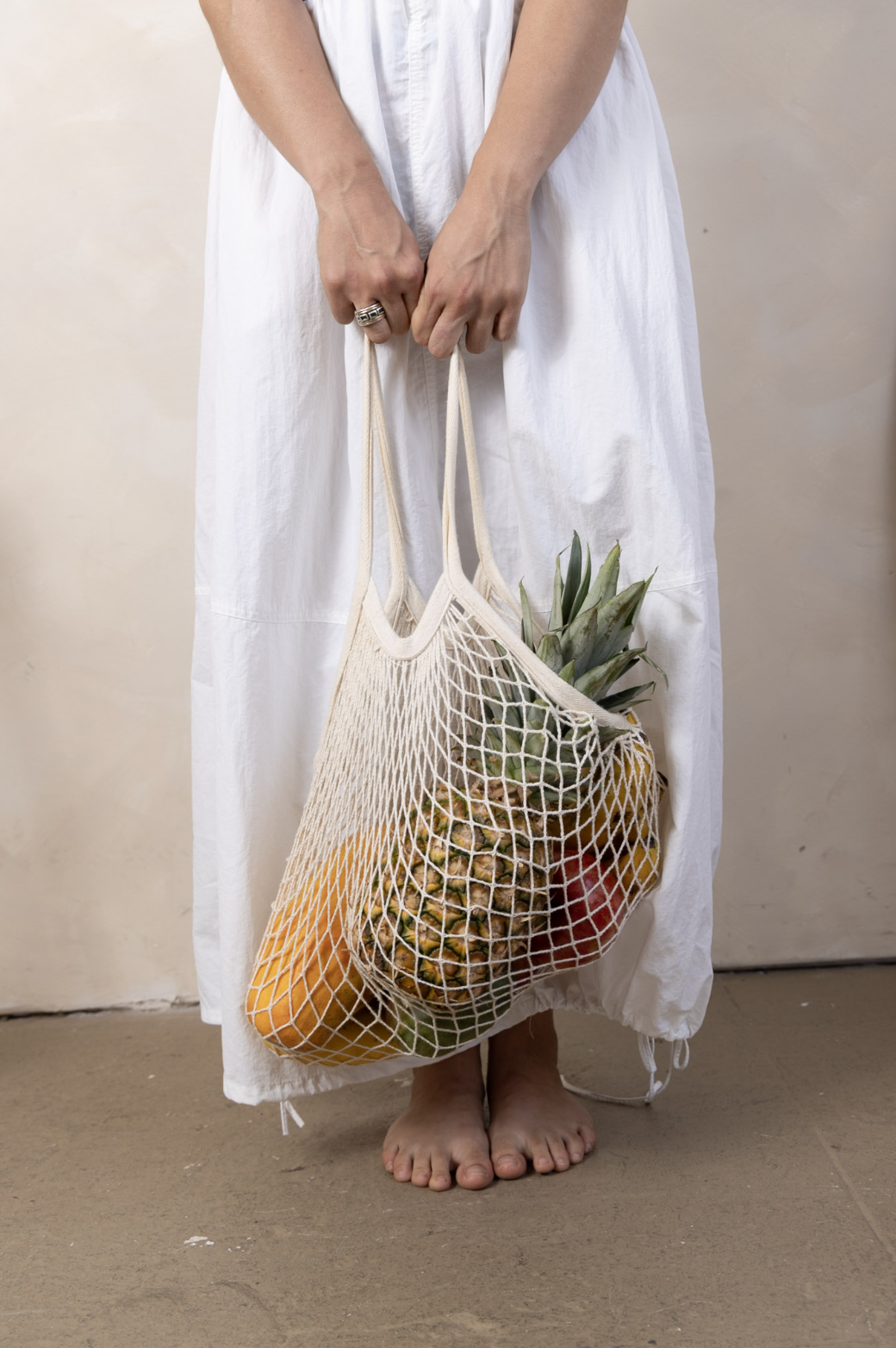
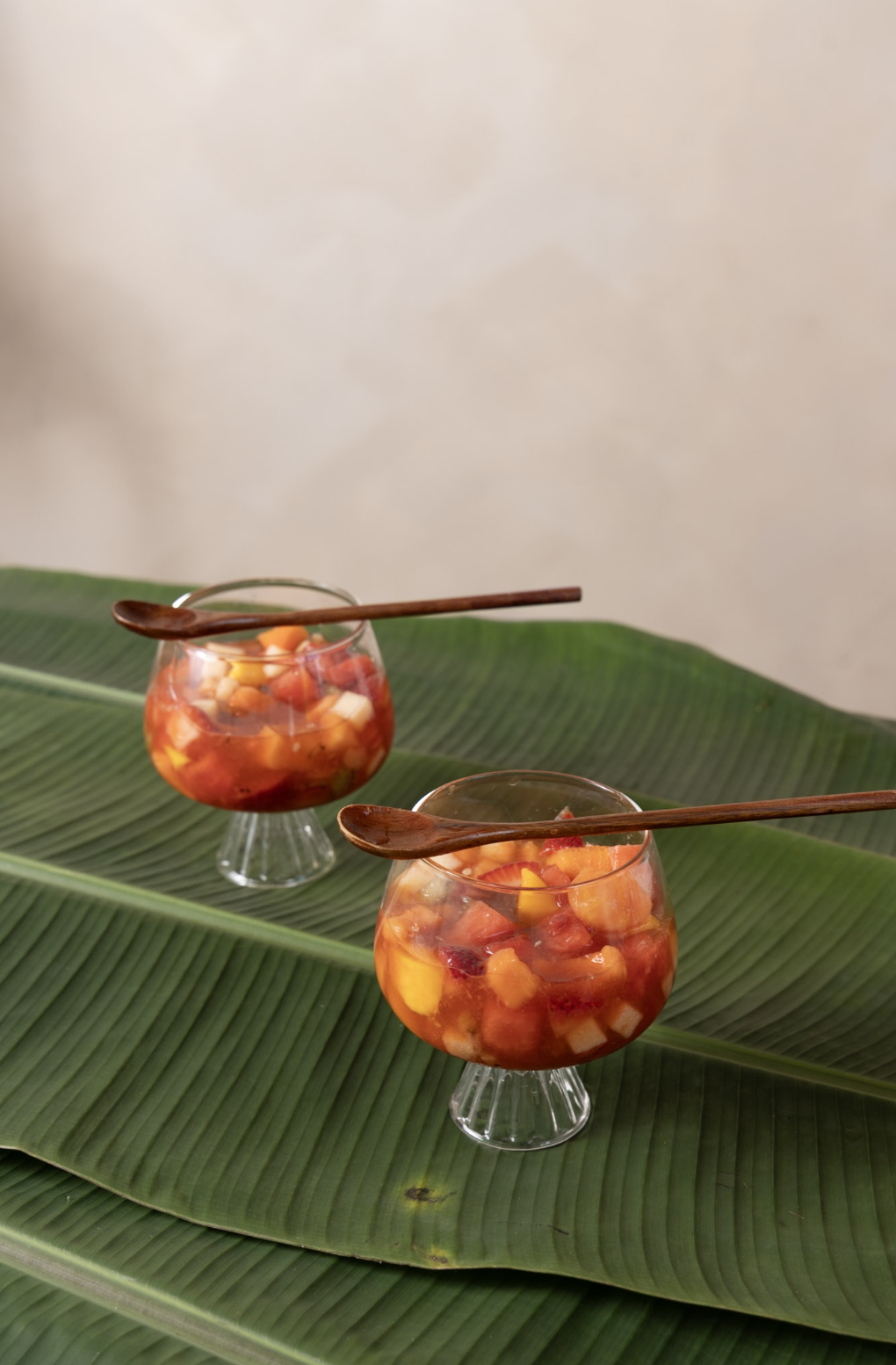
Salpicón
A dish my grandmother would make every time she visted us from Colombia
Now that I’ve committed to this culinary path, I’m realizing it comes with a thousand little decisions—one of the biggest being: What kind of chef do I want to be? What cuisine do I want to champion?
Every mentor I've met so far has said the same thing: Go back to your roots. Cook what you love to eat. I’ve been resisting it, but that leads me straight to my
Latin heritage
Latin Heritage
Fundamentally, this is an excuse to play with food and write about it
My first culinary expression with Colombian food.
As someone who migrated to the U.S. at a young age, I grew up a little cut off from traditional Colombian flavors. Salpicón is one of those foods I didn’t have often, but when I did, it transported me. Even if I didn’t know fully the place it came from, I could feel it. I could taste home in it, especially when my abuelita would make it during her yearly visits.
I say “a little cut off” because, fortunately for me, I grew up in a town nicknamed Weston-Vuela for the number of Venezuelans that lived there, along with other folks from Latin America.
Which is why, after 25 years of living in America, I’m actually
Very Latina

When I look around and ask myself, what food do I capital-L love, can’t live without?—I’m conflicted. Am I supposed to pick just one? Do I have to choose my birthplace?
For me, the answer is HELL NA. I’m too much of a lover of mixing things that “don’t belong together” to ever pick just one. The Taurus bull in me would buck at the idea.
But I do know this: Latin food—especially Colombian food—tugs at my heart the most. My mom’s rice and beans with bacon could bring me to tears after a long day in the kitchen.
Maybe it’s because I didn’t grow up with it all the time. Maybe it’s that “no sabo kid” feeling when it comes to the food of my own country.
So… I’m on a mission: to explore what my birth country has to offer and bring it forward with a new perspective.
But to do that, I have to honor and understand the source.
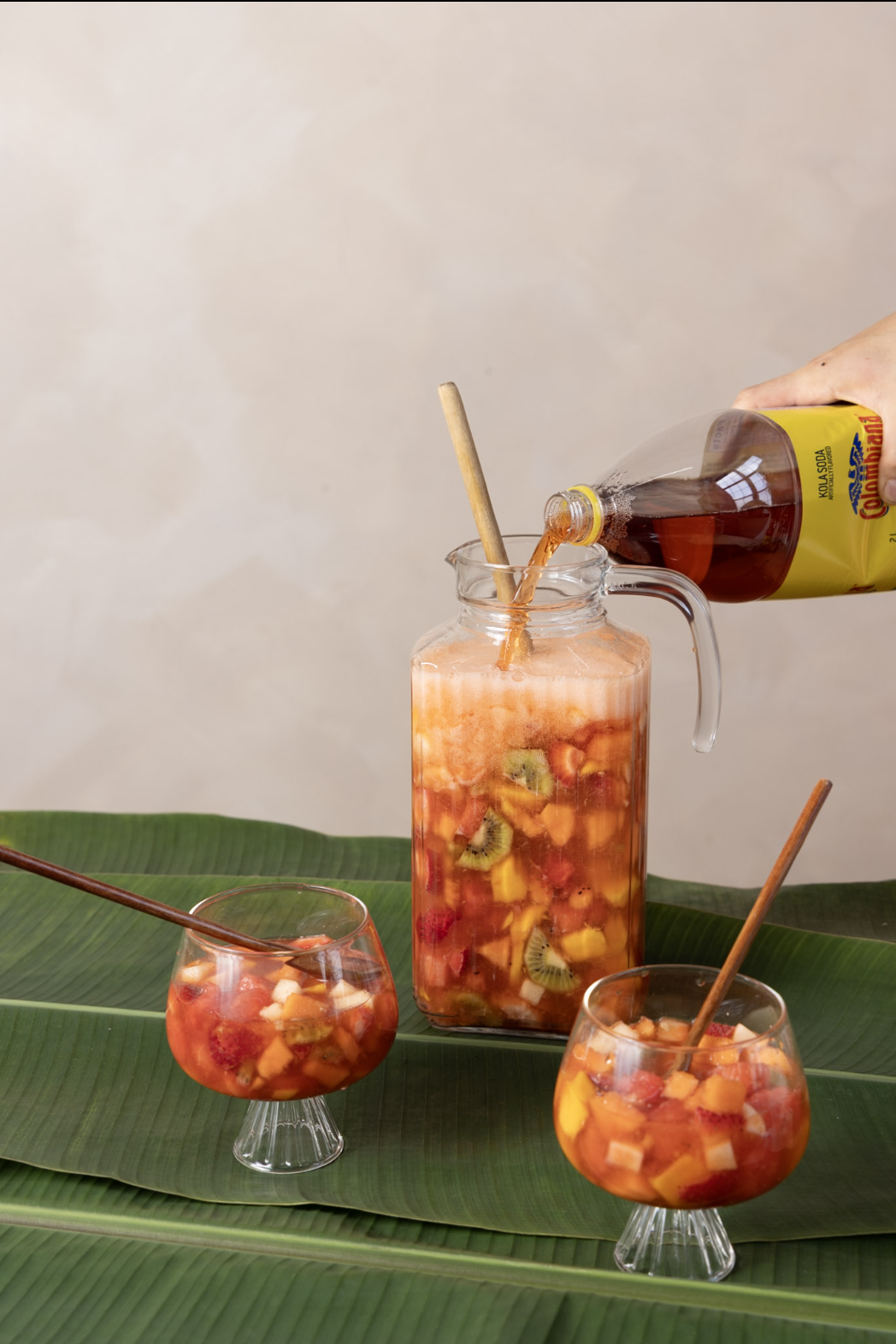
How to make it
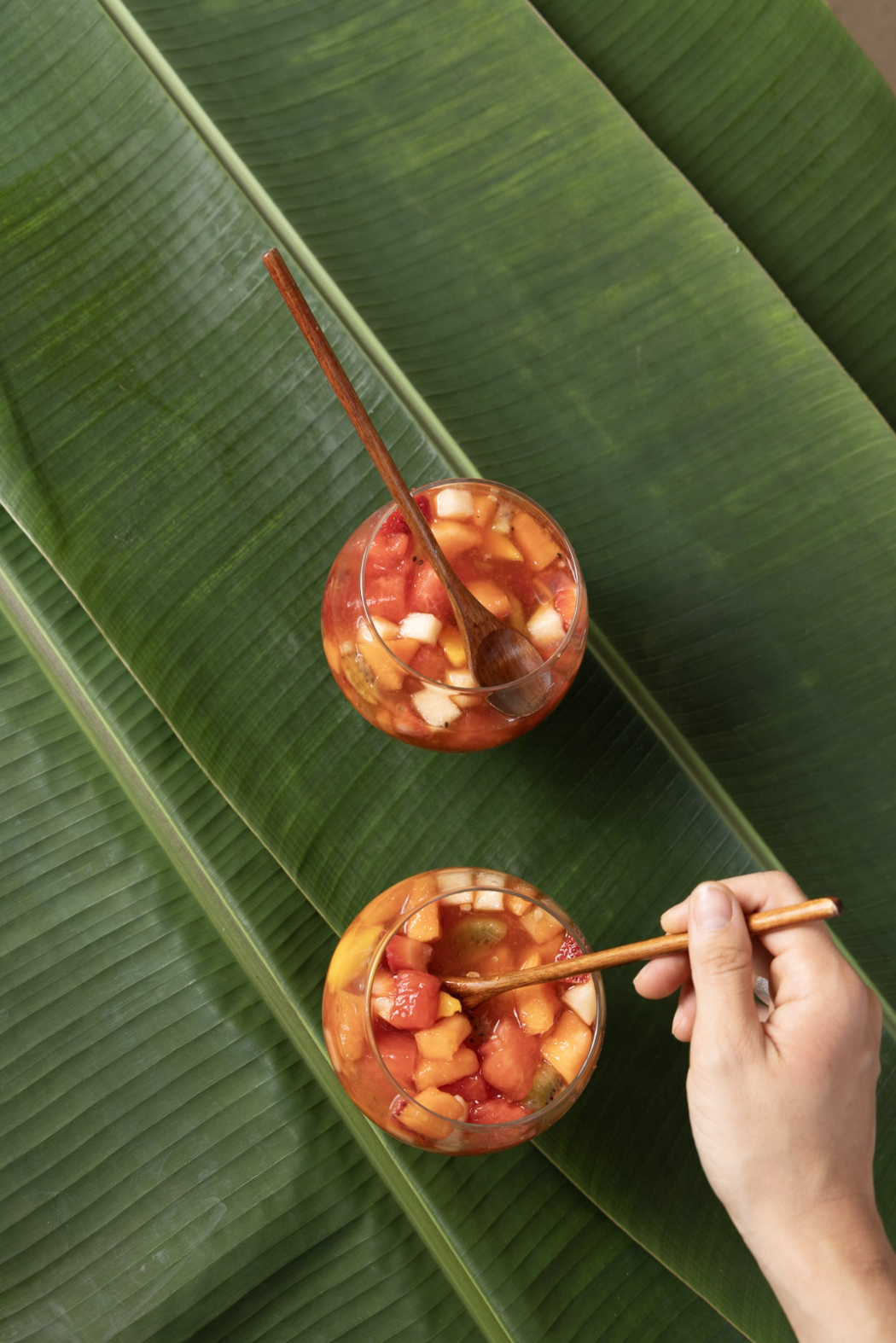
There’s no strict recipe for Salpicón—it’s meant to be playful and seasonal. Use your instincts when it comes to the amount and blend of fruits. There’s no wrong way to do this. Add your favorites, leave out what you don’t love, and make it your own every time. This is a dish that unexpectedly yielded a lot, meant to be shared with others. Bring some to your neighbor if you have leftovers, or add more liquid to stretch for a big BBQ.
Salpicón de Frutas (Colombian Fruit Cocktail)
Serves 6–10
My Thougths on Salpicon
What makes a Salpicón hit for me is the crisp bite of apple, the smoothness of banana and papaya, and the refreshing burst of watermelon. The magic of Salpicón is in the variety of fruit combinations you get with each spoonful—it’s never the same twice, and that’s the joy of it.
Ingredients
Base Fruits
½ large or 1 small watermelon
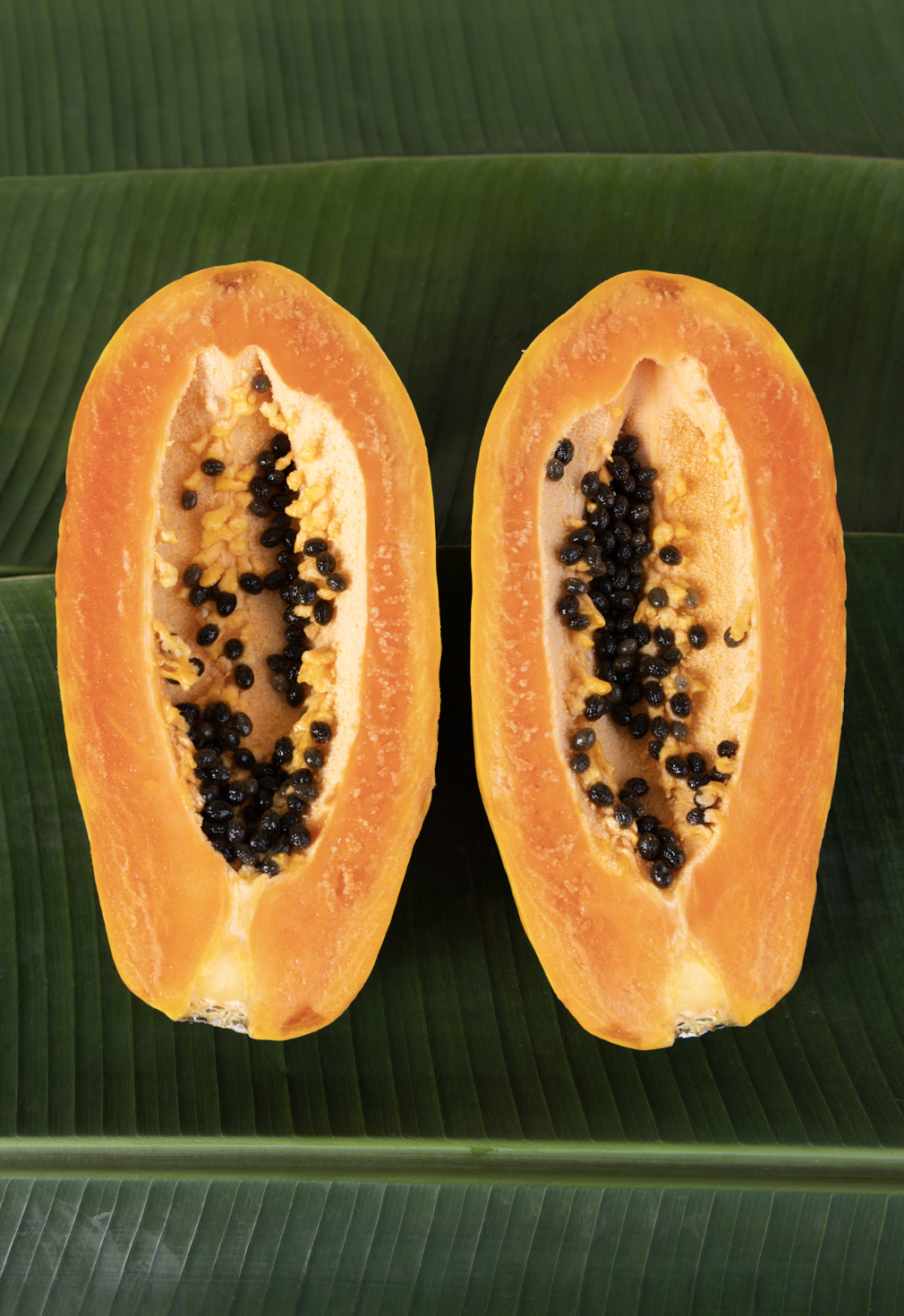
1 ripe papaya
1 ripe pineapple
3 ripe bananas
1 large or 2 small apples
Liquid
2 cups Colombiana (Colombian Kola)
1 cup club soda (adjust to taste)
Optional Add-Ins (highly recommended for variety)
2 mangos
1 pint strawberries, hulled and diced
4 kiwis
½ cup seedless grapes, halved
Directions
Prep the fruit:
Peel and dice all fruit into small, bite-sized cubes—roughly ½ inch. Slice bananas just before mixing to prevent browning.Assemble:
In a large pitcher or bowl, gently mix all fruit together.Add the fizz:
Pour in the Colombiana and club soda in a 2:1 ratio—enough to lightly cover the fruit. Stir gently.Chill & Serve:
Let it sit in the fridge for at least 30 minutes before serving, so the flavors meld and everything is nice and cold.